Creating the Ultimate Home Study Nook: How to Set Up a Space That Encourages Focus
As children move into the intermediate phase of school, the workload increases significantly. Grades 4 through 7 represent a major shift in the South African curriculum, requiring more independent study and longer hours of concentration. One of the most effective ways to help your child navigate this transition is by creating a dedicated home study nook.
A well-planned space does more than just hold a desk; it signals to a child’s brain that it is time to shift from play to productivity. Here is how you can set up an environment that fosters deep focus and academic success.
Choose the Right Zone
The location of the study nook is the most important decision. While it might be tempting to have your child work at the kitchen table, this is often a hub of household activity. Constant noise and movement make it difficult for a young mind to stay on track.
Instead, look for a quiet corner in a bedroom or a less-frequented area of the house. The goal is to create a "study bubble" where distractions are minimized. If the desk must be in a multipurpose room, try using a small room divider or even a bookshelf to create a visual barrier between the study area and the rest of the home.
Focus on Physical Comfort
If a child is physically uncomfortable, their concentration will fade within minutes. Good ergonomics are essential for long-term focus.
Ensure the chair provides proper back support and that their feet can rest flat on the floor. If the desk is too high, use a footstool to help them sit squarely. Their arms should rest comfortably on the desk surface without their shoulders being hunched. When the body is supported, the brain can dedicate all its energy to the task at hand rather than trying to find a comfortable position.
Lighting and Loadshedding Preparation
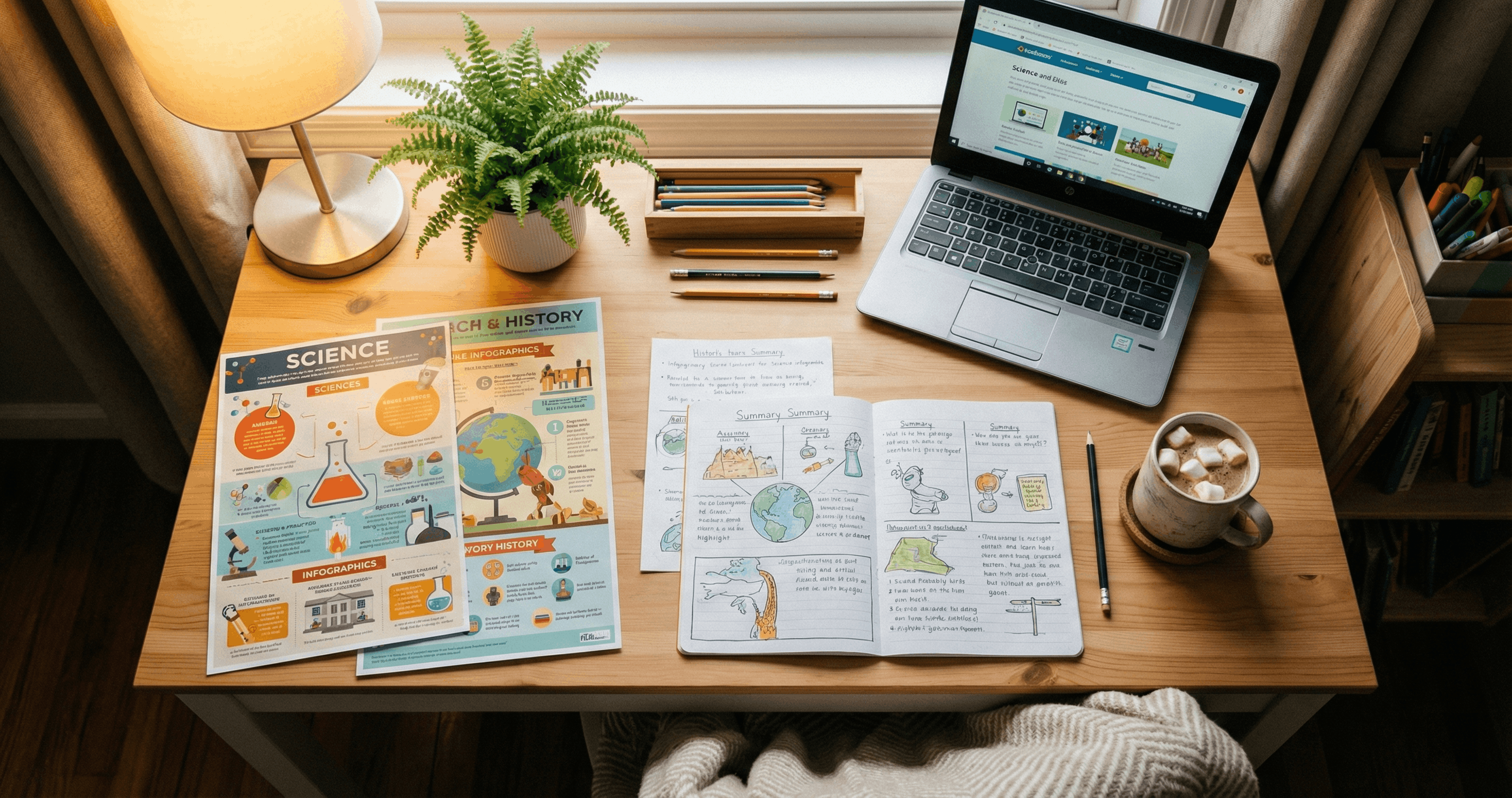
Proper lighting prevents eye strain and keeps energy levels up. Natural light is ideal, so placing a desk near a window can be very beneficial during the day. However, for late-afternoon sessions or winter evenings, a dedicated desk lamp is a must.
In South Africa, we also have to plan for the unexpected. A rechargeable LED lamp is an essential addition to any study nook. By ensuring the workspace stays bright even when the power goes out, you prevent the frustration of interrupted study sessions and keep the momentum going.
Keep the Essentials Within Reach
A great way to lose focus is by having to get up every five minutes to find a ruler, a stapler, or a highlighter. Equip the nook with a "stationery station" so everything is accessible.
However, be careful not to over-clutter. Only the tools needed for the current subject should be on the desk surface. Use drawers or wall-mounted organizers to keep extra supplies tucked away but nearby. A clear desk leads to a clear mind.
The Power of Physical Resources
While digital tools are common, many learners in Grades 4–7 find it easier to concentrate when working with physical materials. Reducing screen time during study sessions can help minimize eye fatigue and the temptation to browse the internet.
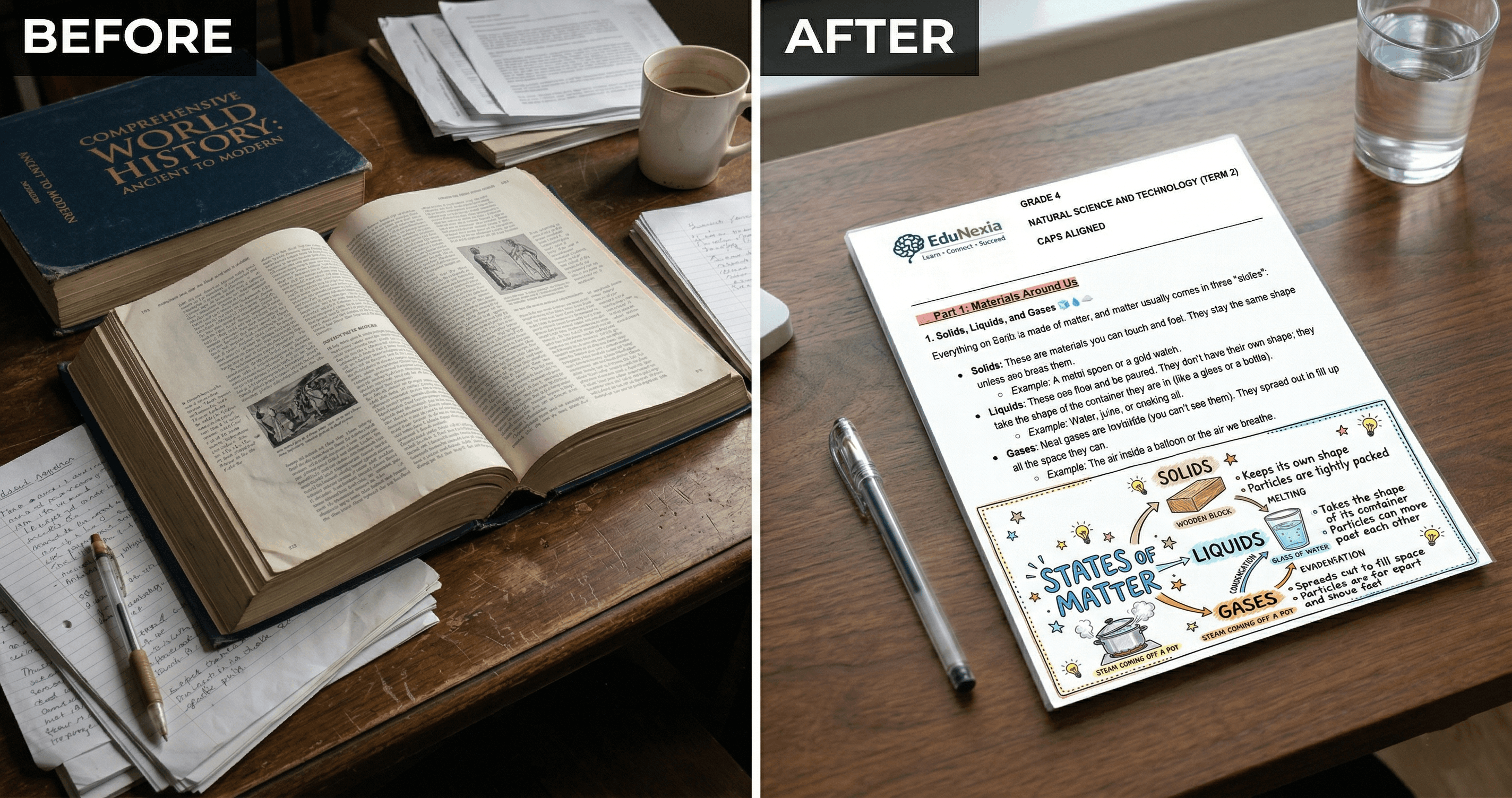
This is where high-quality, printed resources make a difference. Having colorful, visual summaries at their fingertips allows students to review complex CAPS concepts without the distraction of a device. Keeping a dedicated folder for study guides in the nook ensures that your child always has a roadmap for their revision, regardless of whether the Wi-Fi is working or not.
Make it Personal
Finally, let your child have a say in how the space looks. Whether it’s choosing the color of a pencil holder or adding a motivational poster, giving them a sense of ownership over the nook makes them more likely to use it. When a child feels proud of their workspace, they are more likely to approach their schoolwork with a positive attitude.
Equip your child’s new study nook with the best resources.
At EduNexia, we provide CAPS-aligned study summaries designed specifically for Grade 4–7 learners. Our visual, easy-to-understand guides are the perfect addition to any home study space, helping students master their subjects with confidence.
Visit our store to explore our bilingual curriculum bundles and make learning more effective today.